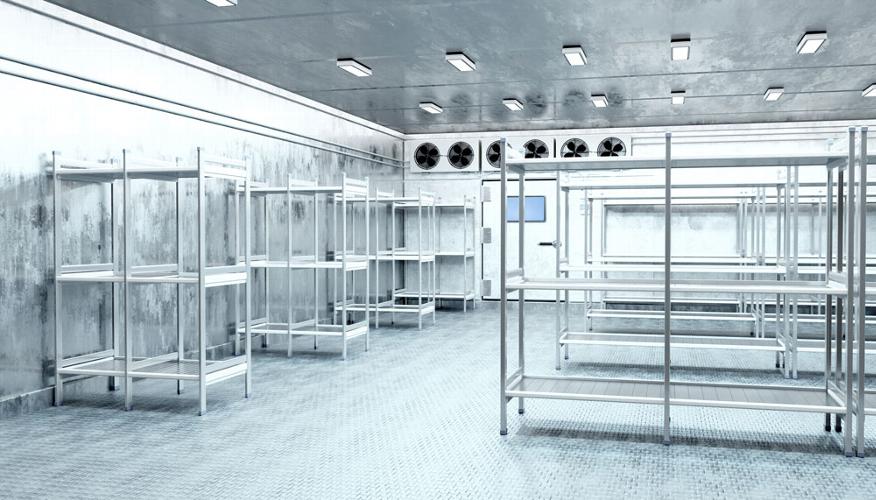
If your business operates a commercial cold room in the UK, compliance is not optional. From food safety law to refrigerant handling regulations, UK businesses face a detailed framework of rules governing how cold rooms must be designed, installed, monitored, and maintained. Failure to comply can result in failed inspections, enforcement notices, stock loss, and in serious cases, prosecution.
This guide covers everything UK businesses need to know about cold room regulations: which laws apply, what inspectors look for, how often checks are required, what records you must keep, and how to ensure your installation stays compliant at every stage.
Quick Summary: Cold Room Compliance in the UK
- Cold rooms storing food must comply with the Food Safety Act 1990 and Food Hygiene Regulations 2006
- Temperatures must be monitored continuously and records kept
- Chilled food must be stored between 0°C and 8°C; frozen food at -18°C or below
- HACCP documentation is a legal requirement for food businesses
- Refrigerant handling requires F-Gas certification
- Pharmaceutical cold rooms are subject to GDP and MHRA guidelines
- Environmental Health Officers and the HSE can inspect and enforce compliance
- Non-compliance can result in fines, prohibition notices, and forced closure
What Regulations Apply to Cold Rooms in the UK?
Cold room compliance in the UK is governed by several overlapping pieces of legislation and guidance, depending on the sector your business operates in. Understanding which regulations apply to your operation is the essential first step.
Food Safety Act 1990
The Food Safety Act 1990 is the primary legislation governing food businesses in England, Wales, and Scotland. It requires that food businesses take all reasonable precautions to ensure food is stored safely and does not become contaminated or unfit for consumption. Cold rooms used for food storage must be maintained to prevent any risk to food safety.
Food Hygiene (England) Regulations 2006 and EU Regulation 852/2004
These regulations set out specific hygiene requirements for food businesses, including temperature control obligations. They require that food which is likely to support the growth of pathogenic microorganisms must be held at controlled temperatures. These laws implement EU Regulation 852/2004 on the hygiene of foodstuffs, which remains retained in UK law post-Brexit.
The Food Safety and Hygiene (England) Regulations 2013
This updated legislation consolidates food hygiene law and incorporates HACCP (Hazard Analysis and Critical Control Points) principles as a legal requirement for all food businesses. Cold rooms are designated critical control points within a HACCP plan, meaning their performance must be monitored, documented, and reviewed regularly.
Hazardous Waste Regulations and F-Gas Regulations
The Fluorinated Greenhouse Gases (F-Gas) Regulations 2015 govern the handling, servicing, and disposal of refrigerants used in cold room systems. Engineers working with F-Gas refrigerants must hold current F-Gas certification. Businesses must use only certified contractors for cold room installation and maintenance, and must keep records of refrigerant use, leakage checks, and servicing.
Health and Safety at Work etc. Act 1974
Cold rooms must be safe environments for employees. This includes safe access and egress, appropriate lighting, suitable flooring to prevent slips, and emergency release mechanisms on all cold room doors. The employer has a duty to assess and manage risks to anyone working in or around cold storage.
Pharmaceutical and Healthcare Cold Storage
Businesses storing medicines, vaccines, and healthcare products are subject to additional requirements, including MHRA (Medicines and Healthcare products Regulatory Agency) guidelines and Good Distribution Practice (GDP). These require validated temperature monitoring, calibrated sensors, detailed audit trails, and qualified personnel responsible for storage compliance.
What Do Inspectors Check in a Cold Room?
Environmental Health Officers (EHOs) and other regulatory inspectors carry out detailed assessments of cold room performance, condition, and documentation. Understanding what they look for helps businesses prepare and avoid compliance failures.
Temperature Performance
Inspectors will check whether the cold room is maintaining the correct temperature range for the type of food or product being stored. They will review both current temperature readings and historical temperature logs to identify any periods of non-compliance.
Temperature Monitoring Systems
The presence and calibration of temperature monitoring equipment is assessed. Inspectors expect to see digital sensors with accurate, continuous logging capability, alarm systems that alert staff to temperature deviations, and evidence that sensors have been calibrated within the required timeframe.
Structural Condition and Hygiene
The physical condition of the cold room panels, door seals, floor, and drainage is inspected. Damaged insulation, cracked panels, worn door seals, evidence of condensation, mould, or ice build-up, and poor drainage can all result in compliance failures. Surfaces must be smooth, cleanable, and free from contamination risk.
HACCP Documentation
For food businesses, inspectors will request HACCP records relating to cold storage. This includes evidence that the cold room has been identified as a critical control point, that monitoring procedures are in place, and that corrective actions have been taken and recorded when temperatures have deviated.
Maintenance Records
Service records for the refrigeration system must be available. These demonstrate that the cold room has been regularly maintained, that any faults have been addressed promptly, and that the system is operating correctly.
Staff Training and Procedures
Inspectors may ask about staff training related to cold room use, including procedures for door management, temperature checking, and reporting faults. Documented training records strengthen audit outcomes.
Inspector Checklist: Key Cold Room Compliance Areas
|
Compliance Area |
What Inspectors Look For |
|
Temperature Records |
Continuous logs, no unexplained gaps, signed corrective actions |
|
Monitoring Equipment |
Calibrated sensors, functioning alarms, recent calibration certificates |
|
Structural Integrity |
No damaged panels, intact door seals, no condensation or ice build-up |
|
Drainage and Flooring |
Correct gradients, no water pooling, slip-resistant surfaces |
|
HACCP Documentation |
CCP identified, monitoring records, corrective action logs |
|
Maintenance Records |
Regular service history, F-Gas records, engineer certification |
|
Staff Procedures |
Training records, door management protocols, fault reporting process |
|
Hygiene Standards |
Clean surfaces, pest control evidence, waste management |
How Often Are Cold Rooms Inspected in the UK?
There is no single fixed inspection frequency for cold rooms in the UK. Inspection frequency depends on the type of business, its risk rating, and previous compliance history.
Food Business Inspections
Environmental Health Officers inspect food businesses under the Food Standards Agency's risk-based inspection programme. Higher-risk premises such as food manufacturers, catering businesses, and hospitality venues are typically inspected more frequently. A food business with a poor compliance history may receive visits annually or more often, while lower-risk premises may be inspected less regularly.
Third-Party and Retail Audits
Many food manufacturers, caterers, and distributors are subject to third-party audits from retailer-approved schemes such as BRC Global Standards or SALSA. These audits assess cold storage compliance as part of a broader food safety assessment and may occur annually or more frequently depending on supplier status.
The Business's Own Ongoing Obligation
Regardless of external inspection frequency, the legal responsibility for monitoring cold room performance rests with the business at all times. UK food law requires continuous temperature monitoring and ongoing HACCP management - not just compliance at the point of an external inspection.
Who Enforces Cold Room Regulations in the UK?
Cold room compliance is enforced by several different regulatory bodies, depending on the nature of the business and the type of non-compliance involved.
Environmental Health Officers (EHOs)
EHOs employed by local councils are the primary enforcement authority for food safety legislation. They have the power to inspect food businesses, issue improvement notices, issue prohibition notices, and in serious cases pursue prosecution under the Food Safety Act 1990.
Health and Safety Executive (HSE)
The HSE enforces workplace safety legislation, including cold room access, door safety mechanisms, and employee safety in cold environments. They can issue prohibition or improvement notices where cold rooms present a risk to employees.
MHRA (Medicines and Healthcare products Regulatory Agency)
The MHRA is the regulator for pharmaceutical storage, including medicines and vaccines. Businesses operating under GDP licences are inspected and regulated by the MHRA, which has the power to revoke licences and issue non-compliance notices.
F-Gas Enforcement
The Environment Agency and other competent authorities enforce F-Gas regulations. Businesses found using uncertified engineers for refrigerant work, or failing to maintain required records, can face financial penalties.
Do Cold Rooms Need Temperature Monitoring?
Yes. Temperature monitoring is a legal requirement for cold rooms used in food businesses and a regulatory obligation in pharmaceutical storage. The nature and frequency of monitoring required depends on the sector and the product stored.
Legal Requirement for Food Businesses
Under the Food Hygiene Regulations 2006 and HACCP requirements, food businesses must monitor and record temperatures at critical control points in their food safety management system. A cold room storing high-risk food is a critical control point, and its temperature must be continuously monitored.
What an Adequate Monitoring System Looks Like
A compliant temperature monitoring system for a commercial cold room should include:
- Digital temperature sensors positioned to measure the warmest part of the storage space
- Continuous data logging with no unexplained gaps in the record
- Alarm systems that alert staff to temperature excursions in real time
- Remote monitoring capability to alert keyholders outside of working hours
- Regular calibration of all sensors against traceable standards
- Documented procedures for responding to temperature alarms
Poor monitoring is one of the most common reasons food businesses fail inspections. As we explain in our guide to
Poor monitoring is one of the most common reasons food businesses fail inspections - and as we cover in detail in our guide to professional cold storage for food safety, digital monitoring systems with instant temperature alerts are a core component of any compliant commercial cold room.
How Often Should Cold Room Temperatures Be Checked?
The frequency of temperature checks depends on both legal requirements and practical food safety management. Modern commercial cold rooms incorporate continuous automated logging, which significantly strengthens compliance records compared to manual checks alone.
Manual Temperature Checks
Many food businesses conduct manual temperature checks at the start and end of each working day as a minimum, in addition to automated logging. Checks should also be carried out after deliveries, after periods of high door activity, and following any maintenance work on the refrigeration system.
Automated Continuous Logging
Where a digital monitoring system is in use, temperature data is typically recorded at intervals of between 15 and 30 minutes. This creates a detailed continuous record that satisfies HACCP and regulatory requirements far more effectively than manual checks alone.
After Maintenance or Repairs
Following any refrigeration repair, defrost cycle, or servicing, temperature should be confirmed as returning to the correct operating range before goods are placed back in storage. This should be documented as part of the maintenance record.
What Records Do Businesses Need to Keep for Cold Rooms?
Accurate and complete record-keeping is one of the most frequently assessed aspects of cold room compliance. Inadequate records are treated as a compliance failure in their own right, even where temperatures have been correctly maintained.
Temperature Logs
Continuous or regularly recorded temperature data must be retained. The Food Standards Agency recommends keeping temperature records for a minimum of three months for most food businesses, though longer retention is advisable and required in some sectors.
Corrective Action Records
Where a temperature excursion has occurred, a corrective action record must document: the date and time of the excursion, the temperature recorded, the likely cause, the action taken to restore correct temperatures, and the fate of any products affected.
Maintenance and Service Records
Service records from refrigeration engineers must be retained, including dates of visits, work carried out, any faults identified, and confirmation of satisfactory operation following service. F-Gas records, including refrigerant type, quantities used, and engineer certification, must also be maintained.
HACCP Documentation
The HACCP plan itself must be documented, including the identification of cold storage as a critical control point, defined critical limits (temperature ranges), monitoring procedures, corrective actions, and verification activities.
Calibration Certificates
Calibration records for temperature sensors and monitoring equipment must be kept and made available on request during inspections. Calibration should be carried out at intervals specified by the equipment manufacturer, typically annually.
Staff Training Records
Documentation of training provided to staff responsible for cold room management, including temperature checking procedures, corrective action protocols, and food safety awareness.
Recommended Cold Room Record Retention Periods
|
Record Type |
Recommended Retention Period |
|
Daily temperature logs |
Minimum 3 months; 12 months recommended |
|
Corrective action records |
Minimum 12 months |
|
Maintenance and service records |
Lifetime of the equipment |
|
F-Gas records |
Minimum 5 years |
|
HACCP documentation |
Regular review; retain previous versions |
|
Calibration certificates |
Until next calibration plus 2 years |
|
Staff training records |
Duration of employment plus 2 years |
Does a Cold Room Need to Be Professionally Installed to Be Compliant?
While UK legislation does not use the exact phrase ‘professionally installed', the practical reality is that professional installation by certified engineers is the only reliable way to achieve and sustain compliance.
F-Gas Regulations Require Certified Engineers
Any work involving the installation, commissioning, servicing, or decommissioning of refrigeration systems that contain F-Gas refrigerants must be carried out by engineers holding valid F-Gas certification. This is a legal requirement under the F-Gas Regulations 2015. A cold room installed or serviced by an uncertified engineer is in direct breach of these regulations.
Compliance Depends on Correct Specification
Cold rooms that are incorrectly specified, improperly insulated, or inadequately sized will struggle to maintain required temperatures reliably, regardless of the monitoring system fitted. As we detail in our guide to
As we cover in our guide to why cheap cold room installations cost more long-term, under-specified systems create ongoing energy, compliance, and reliability problems that far outweigh any upfront saving.
Documentation from Installation Supports Audits
Professional installation generates a commissioning record confirming the system has been tested, reaches the required operating temperature, and meets the design specification. This documentation is valuable evidence during regulatory inspections and third-party audits.
What Are the Penalties for Non-Compliant Cold Rooms in the UK?
The consequences of failing to meet cold room compliance requirements can be severe, ranging from formal warnings to prosecution and business closure. The specific penalties depend on the nature and seriousness of the non-compliance.
Improvement Notices
An improvement notice is issued by an EHO when a food business is not meeting legal requirements but the failure does not pose an immediate risk. The notice specifies what must be done and the timeframe for completion. Failure to comply with an improvement notice is a criminal offence.
Prohibition Notices
Where a cold room or process poses an imminent risk to food safety, an EHO can issue a prohibition notice immediately closing or restricting use of the facility. The business cannot continue operations in the prohibited area until the notice is lifted following a satisfactory re-inspection.
Financial Penalties and Prosecution
Breaches of food safety legislation can result in significant financial penalties. Prosecution under the Food Safety Act 1990 can result in unlimited fines in the Crown Court. For pharmaceutical storage, MHRA enforcement action can include suspension or revocation of a GDP licence.
Hygiene Rating Impact
Food businesses in England, Wales, and Northern Ireland receive a Food Hygiene Rating. Cold storage failures can result in a lower rating, which is publicly visible and can have significant reputational and commercial consequences.
Operational Shutdown and Stock Loss
A non-compliant cold room can lead to business interruption, forced disposal of stock, and in the worst cases temporary or permanent closure. As we explore in our guide on
A non-compliant cold room can also lead to significant stock losses and business interruption - risks we explore in detail in our guide on signs your cold room needs repair or replacement, where a failing system is often at the root of compliance problems before any visible breakdown occurs.
How Can Businesses Make Sure Their Cold Room Is Compliant?
Achieving and maintaining cold room compliance is an ongoing process, not a one-time event. The following steps provide a practical framework for UK businesses at any stage of their cold room lifecycle.
1. Commission Professional Installation by Certified Engineers
Use a specialist cold room installer with relevant certifications, including F-Gas. Insist on a full commissioning report confirming the system meets its design specification and operates within required temperature ranges.
2. Define and Document Your HACCP Plan
Identify your cold room as a critical control point within your food safety management system. Document the critical limits, monitoring procedures, corrective actions, and verification activities. Review the plan whenever processes or products change.
3. Install Compliant Temperature Monitoring
Fit a digital monitoring system with continuous data logging, remote alarm capability, and a calibration programme. Retain data logs and calibration certificates. Manual checks alone are not sufficient.
4. Keep Comprehensive Records
Maintain temperature logs, corrective action records, maintenance and service records, F-Gas records, and staff training documentation. Organise records so they can be produced quickly during an inspection.
5. Schedule Regular Preventative Maintenance
A planned maintenance programme with a certified refrigeration engineer keeps your cold room running efficiently, generates the service records needed for compliance, and identifies problems before they become failures. Regular servicing can also reduce energy consumption - a benefit we cover in our overview of
Regular servicing keeps energy consumption in check and generates the maintenance records inspectors require - a topic we cover in our overview of commercial cold rooms and how they work.
6. Train Your Staff
Ensure all relevant staff understand temperature monitoring procedures, how to respond to alarms, correct door management, stock loading practices, and fault reporting. Document training and refresh it regularly.
7. Act on Every Temperature Excursion
Treat every recorded temperature excursion as a compliance event. Investigate the cause, document corrective action, assess the safety status of products affected, and review whether system changes are needed.
8. Conduct Internal Audits
Schedule regular internal audits of cold room documentation, monitoring performance, maintenance records, and staff procedures. Address any gaps before they become inspection failures.
Frequently Asked Questions: Cold Room Regulations UK
What temperature should a commercial cold room legally be kept at?
UK food law requires chilled foods to be kept at 8°C or below, with the Food Standards Agency recommending between 0°C and 5°C for optimal food safety. Frozen food must be kept at -18°C or lower. Specific products may require tighter temperature ranges.
Do walk-in fridges need to be included in a HACCP plan?
Yes. For food businesses, any walk-in fridge or cold room storing high-risk food is a critical control point within a HACCP food safety management system. It must be monitored, documented, and subject to defined corrective actions.
Can a cold room be installed without F-Gas certification?
No. Any refrigeration system using F-Gas refrigerants must be installed, commissioned, serviced, and decommissioned only by engineers holding valid F-Gas certification. Using an uncertified engineer is a breach of the F-Gas Regulations 2015.
How long do I need to keep cold room temperature records?
Most food businesses should retain temperature records for a minimum of three months, though 12 months is widely recommended. Pharmaceutical cold storage records should be kept for a minimum of five years under GDP requirements.
What happens if my cold room fails an inspection?
Depending on severity, an inspector may issue an improvement notice, a prohibition notice restricting or closing the facility, or refer the matter for prosecution. Improvement notices must be complied with within the stated timeframe or the business faces further enforcement action.
Is a cold room required to have a temperature alarm?
There is no single regulation that specifically mandates an alarm in every cold room, but the legal requirement for continuous monitoring and immediate corrective action means an alarm system is effectively essential. Without one, temperature excursions may go undetected, which is itself a compliance failure.
Does a cold room need regular maintenance to stay compliant?
Yes. A cold room that is not regularly serviced will deteriorate over time, affecting temperature performance, energy efficiency, and structural integrity - all of which have compliance implications. Planned preventative maintenance generates the service records that inspectors require.
Ensure Your Cold Room Is Fully Compliant with Engetech Ltd
Whether you are planning a new cold room installation, upgrading an existing system, or concerned about your current compliance status, Engetech Ltd can help. With over 20 years of experience designing, installing, and maintaining commercial cold rooms across the UK, our team understands the compliance requirements your business faces - and how to meet them reliably.
How Engetech Ltd Supports Your Compliance
- Professional cold room design and installation by certified engineers
- F-Gas certified refrigeration installation and servicing
- Temperature monitoring systems designed for compliance
- Commissioning documentation to support HACCP and audit requirements
- Planned preventative maintenance contracts
- Bespoke cold rooms for food manufacturing, catering, agriculture, and more
View Our Cold Rooms Enquire Now