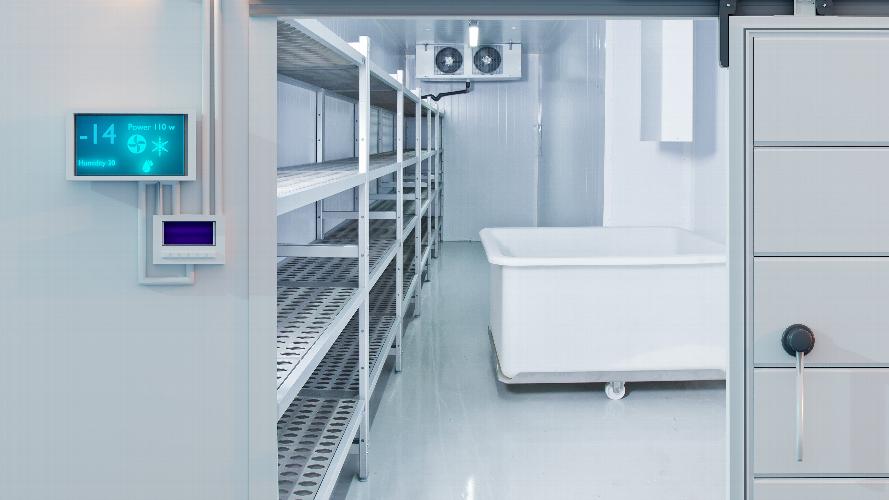
What Is the Difference Between a Walk-In Fridge and a Walk-In Freezer?
If you're managing a commercial kitchen in the UK, you'll inevitably ask, what is the difference between a walk-in fridge and a walk-in freezer?
At their core, both are types of cold rooms used to keep perishable items safe and meet food safety standards. However, there are important distinctions, walk-in fridges keep foods chilled at around 0°C to 5°C, while walk-in freezers preserve ingredients at -18°C or lower. Understanding these differences is essential for choosing the right storage system, optimising kitchen efficiency, and protecting your business's reputation for food safety.
What Is the Difference Between a Walk-In Fridge and a Walk-In Freezer?
The decision to install a walk-in fridge or a walk-in freezer can have a significant impact on food quality, kitchen efficiency, and regulatory compliance in commercial settings. Both types of cold rooms are vital for maintaining food safety, but they serve distinct purposes and come with different technical demands.
Temperature Range
Walk-in fridges and walk-in freezers are distinguished largely by their temperature settings.
- Walk-In Fridges: Operate within a temperature range of 0°C to 5°C, perfect for keeping fresh foods, dairy, and produce in optimal condition for short-term storage.
- Walk-In Freezers: Maintain temperatures at -18°C or lower, providing the deep-freeze conditions needed to store meat, prepared meals, and bulk ingredients for extended periods without risk of spoilage.
Purpose
The primary function of each system relates directly to food safety and preservation.
- Walk-In Fridges: Slow down bacterial and microbial growth so that perishable items have a slightly longer shelf life, making daily kitchen operations smoother and safer.
- Walk-In Freezers: Essentially stop most microbial activity entirely, allowing businesses to store food long-term without loss of quality or risk of contamination. Freezing is the preferred method for foods intended to be kept beyond a few days or weeks.
Insulation & Construction
The physical design requirements of walk-in fridges and freezers vary due to the differences in the temperatures they must maintain.
- Walk-In Fridges: Require standard insulated panels to keep contents chilled, with less demanding specifications than a freezer.
- Walk-In Freezers: Necessitate significantly thicker insulation as well as more robust, heavy-duty refrigeration units. Effective thermal barriers are crucial to minimise heat ingress and frost build-up, often requiring insulated floors and high-quality door seals. As a result, installation can be more complex and costly for freezer rooms.
Energy Use
The amount of energy required for operation is another key distinction:
- Walk-In Fridges: Tend to use less electricity, as the temperature difference between the interior and the ambient environment is smaller.
- Walk-In Freezers: Are much more energy-intensive as they have to work harder, and often continuously, to keep the contents at such low temperatures,even small inefficiencies can have a big impact on running costs. However, both types benefit from regular professional maintenance to ensure optimal performance and can cut energy consumption by up to 20 percent with proper servicing and upkeep.
Design Implications
- Customisation and Integration: Both walk-in fridges and freezers can be custom designed to fit the available space, business workflow, and storage requirements. At Engetech Ltd, we specialise in creating bespoke cold rooms that work with a kitchen's architecture and usage patterns, whether for small cafes or large-scale food production facilities.
- Installation and Upgrades: Each system can be upgraded or newly installed to suit regulatory changes, increase capacity, or improve energy efficiency. Ongoing maintenance and rapid support are fundamental to keeping these systems running year-round across the UK.
What Foods Are Typically Stored in Walk-In Fridges?
Walk-in fridges play a vital role in the hospitality, catering, and food manufacturing sectors, offering a controlled environment essential for the safe storage of a wide range of perishable goods. These systems are designed to keep ingredients and finished products within the recommended temperature range, which is crucial for minimising food waste, maintaining flavour and texture, and ensuring regulatory compliance.
Here are some of the most common foods stored in commercial walk-in fridges:
Fresh Produce
Walk-in fridges provide the ideal cool and humid conditions needed to keep fruit and vegetables fresh, crisp, and visually appealing for longer. Temperature control prevents early spoilage, helps retain nutrition, and reduces shrinkage due to dehydration or decay.
Dairy Products
Dairy products are particularly sensitive to temperature fluctuations. A stable and chilled environment slows the development of sourness and spoilage, ensuring they remain safe to use throughout their expected shelf life.
Prepared Meals
Whether it's sauces, salads, desserts, or pre-cooked dishes, prepared foods must be stored at low temperatures after preparation to avoid rapid bacterial growth. Walk-in fridges offer space for storing batch-cooked items before serving, essential for busy commercial kitchens.
Fresh Meat and Seafood
Raw meat, poultry, and seafood are highly perishable and must be kept just above freezing to slow down the multiplication of bacteria. Safe, separate storage in a commercial walk-in fridge also supports food safety practices such as proper segregation to prevent cross-contamination.
Sauces and Dressings
Many sauces, marinades, and salad dressings contain ingredients prone to spoilage. Keeping them chilled preserves freshness and prevents separation or spoilage, ensuring a consistent taste and quality.
Chilled Drinks
In hospitality settings, walk-in fridges provide efficient storage and rapid cooling for soft drinks, juices, beer, wine, and other beverages, ensuring they are served at the perfect temperature. This is especially important in restaurants, bars, hotels, and event venues.
Proper use of commercial walk-in fridges supports cost savings, streamlines kitchen workflows, and is central to effective kitchen cold storage systems. With the right setup, businesses like restaurants, caterers, and manufacturers can guarantee food remains safe, high quality, and ready for immediate use.
What Foods Are Typically Stored in Walk-In Freezers?
Walk-in freezers are indispensable in commercial catering, hospitality, and food manufacturing, providing the ideal environment for long-term storage and food safety. By maintaining temperatures below -18°C, these cold rooms ensure that ingredients and prepared items retain their quality, nutrition, and safety for weeks or even months.
Here are the most common foods that benefit from walk-in freezer storage:
Frozen Meats and Seafood
Freezing is the most reliable way to safeguard meats and seafood against spoilage, microbial growth, and waste. Walk-in freezers allow you to purchase in bulk, preserve freshness, and store a variety of proteins until needed, which is particularly useful for busy restaurants, caterers, and manufacturers.
Bulk Ingredients
Many commercial kitchens opt to freeze ingredients such as flour, pastry dough, and other essentials to extend their shelf life. This enables efficient stock management and the ability to fulfil large orders or handle seasonal demand spikes without the risk of spoilage.
Frozen Vegetables
Freezing lock in both the taste and nutrients of vegetables, allowing businesses to offer out-of-season produce or prepare bulk quantities ahead of time. This helps reduce costs and prevent waste, especially in food manufacturing and mass catering settings.
Ice Cream and Frozen Desserts
Products like ice cream, gelato, and frozen desserts require stable, ultra-low temperatures to avoid crystallisation and maintain their creamy texture. Walk-in freezers ensure these desserts remain at the perfect serving consistency, critical for cafes, hotels, and dessert parlours.
Pre-Prepared Meals
For caterers, freezing full meals or components in advance streamlines operations, boosts efficiency, and makes it possible to serve events at multiple venues. Freezing keeps prepared foods fresh and flexible for unexpected changes or last-minute bookings.
Back-up Stock
Walk-in freezers are invaluable for storing emergency stock, such as extra bread, butter, pre-chopped vegetables, or ready meals, allowing restaurants and caterers to meet unexpected demand or navigate supply chain disruptions without compromising service.
Reliable freezer rooms are vital not only for maintaining food safety, but also for improving operational efficiency and flexibility in the food industry. At Engetech Ltd, we help businesses across the UK with custom-designed walk-in freezers, giving you confidence that your frozen storage needs are handled professionally and in full compliance with UK food safety standards.
Do Restaurants Need Both a Walk-In Fridge and Freezer?
For most restaurants, both walk-in fridges and walk-in freezers are essential tools for maintaining high standards of food safety, quality, and efficiency in a busy commercial kitchen. Each type of cold storage provides unique advantages, and together they give restaurant operators the flexibility and confidence needed to run a smooth, reliable service.
Separation of Storage
Keeping chilled and frozen goods separate helps prevent the accidental mixing of ingredients and reduces cross-contamination risks. This practice supports the requirements of HACCP (Hazard Analysis and Critical Control Points) food safety protocols, which are vital for compliance in the UK's hospitality sector.
Efficient Stock Rotation
Having dedicated spaces for chilled and frozen products enables chefs and kitchen managers to rotate stock properly, ensuring older items are used first and reducing the likelihood of spoilage or wastage. This strategy is crucial for both profitability and upholding food hygiene standards.
Bulk Order Capability
Walk-in freezers allow restaurants to purchase meat, seafood, and staples in larger quantities, taking advantage of wholesale pricing and seasonal offers. By freezing surplus stock, businesses are less vulnerable to price changes or supply shortages.
Smooth Service Operations
Walk-in fridges give staff rapid access to fresh produce, dairy, deli meats, and prepared ingredients during busy service periods. This improves kitchen workflow, speeds up dish assembly, and ensures high-volume operations can keep pace with customer demand.
Compliance
Maintaining both walk-in fridge and freezer storage helps restaurants demonstrate their adherence to food safety management systems. With clear separation and temperature logs, businesses are better prepared for health inspections and audits, reducing the risk of fines or shutdowns.
For a full guide to the regulations governing commercial cold storage in the UK - including what inspectors check, temperature monitoring requirements, and record-keeping obligations - read: Cold Room Regulations in the UK: What Businesses Must Comply With.
For a detailed breakdown of UK food safety regulations and what they mean for your cold storage, read our guide to professional cold storage for food safety.
Why Professional Cold Storage Is Essential for Safe Food Handling
Flexible Menus
A combination of chilled and frozen storage lets restaurants develop broader, more seasonal menus. They can offer both fresh salads and frozen desserts, or adapt quickly to changes in supply or demand.
Most commercial kitchens that value quality and food safety choose to install both.
Is a Walk-In Freezer Necessary for Catering Businesses?
Catering businesses operate in a fast-paced, high-demand environment where proper food storage is crucial to success. Whether serving corporate functions, weddings, or public events, the ability to store, prepare, and deliver food safely and efficiently sets professional caterers apart. Here's why a walk-in freezer is often an essential asset for catering companies:
Long-Term Storage
Walk-in freezers make it possible to prepare dishes and ingredients well ahead of event dates. This advance preparation helps avoid last-minute rushes and reduces spoilage, ensuring foods are kept in optimal condition until needed for each event, no matter how far in advance the catering is planned.
Bulk Buying Power
For caterers, buying core ingredients in bulk can dramatically cut costs and protect against supply fluctuations. A walk-in freezer enables storage of large quantities of meats, seafood, vegetables, and desserts, supporting profit margins and menu consistency.
Menu Flexibility
With reliable frozen storage, caterers can design seasonal menus, accommodate special requests, and reliably repeat dishes for different clients across the year. Frozen storage makes it possible to work with ingredients that may not be available fresh year-round, ensuring menu flexibility.
Operational Security
Catering often involves unexpected changes, last-minute guest increases, event postponements, or supply disruptions. Having a well-stocked walk-in freezer provides built-in security, allowing you to handle emergencies or fluctuating requirements without compromising on food quality or delivery.
Not Always Essential
Some catering companies specialise in fresh meal delivery with rapid stock turnover, focusing on same-day or just-in-time production. In these cases, the need for a large walk-in freezer may be reduced. However, for large-scale operations, event caterers, or businesses aiming for maximum operational flexibility, a dedicated freezer room becomes an invaluable asset.
Engetech Ltd works with UK caterers to design chilling and freezing systems that suit their operational style.
Is a Walk-In Freezer More Expensive Than a Walk-In Fridge?
Walk-in freezers do carry higher costs, both upfront and in ongoing energy use, compared to walk-in fridges. The lower temperatures require more robust insulation, high-performance refrigeration equipment, and careful installation to avoid costly inefficiencies. Floor panels and door seals must be superior to prevent energy loss. That said, freezers enable savings by allowing bulk buying, minimising waste, and providing operational flexibility, which can balance the higher running costs over time. For businesses considering investment, Engetech Ltd can help calculate the best option for your needs.
How Do I Choose Between a Walk-In Fridge and Freezer?
Choosing the right cold storage solution is a critical decision for any commercial kitchen or food business in the UK. The right choice ensures efficiency, compliance, and food quality while supporting your business's operational style now and in the future.
Here's what to consider when deciding between a walk-in fridge and a walk-in freezer:
Type of Food Stored
If your menu relies on fresh fruit, vegetables, dairy, and prepared items that are used within a few days, a walk-in fridge is often sufficient. If you store larger quantities of meats, pastries, frozen vegetables, or pre-cooked meals, a walk-in freezer is indispensable for maintaining safe, long-term storage.
Turnover Rate
Kitchens with a rapid turnover of ingredients, such as many restaurants, depend heavily on refrigeration. Businesses that receive bulk deliveries or stockpile products benefit more from a freezer, as it allows for longer shelf life and reduces risk of spoilage.
Business Model
Sector-Specific Needs:
- Caterers: Often require both, with fridges for ready-to-serve dishes and freezers for advance-prepared foods.
- Manufacturers: Prioritise robust freezing for long-term storage and transport.
- Restaurants: Typically need both for menu flexibility and volume.
Space and Layout
Assess the available footprint and workflow in your kitchen. Sometimes, space constraints make it practical to have one large cold room with separate fridge and freezer compartments, or to prioritise one type over the other, depending on operational needs.
Budget
Walk-in fridges generally have lower installation and energy costs. However, many businesses benefit from supplementing with a smaller freezer if needed. Calculating the long-term savings from bulk buying versus initial outlay is key.
Compliance Requirements
Meeting UK food safety laws, including HACCP regulations, may require dedicated chilled and frozen storage to prevent cross-contamination and maintain safe temperatures for a wide range of products.
Understanding which types of cold room are available and how they are specified will help you make the right choice from the outset.
Operational Flexibility
Having both a walk-in fridge and freezer adds flexibility, allowing you to expand your menu, adapt to new business opportunities, change suppliers, or handle fluctuations in customer demand.
Every professional kitchen operates differently. The best way to ensure your cold storage matches your business needs is to seek expert advice. At Engetech Ltd, we help restaurants, caterers, and manufacturers throughout the UK choose, design, and install cold storage that fits their exact requirements, helping you grow, comply, and serve quality food every day.
What Size Walk-In Refrigeration System Does a Commercial Kitchen Need?
Determining the optimal size of your walk-in fridge or freezer is essential for maintaining efficiency, food safety, and cost control in a commercial kitchen. Choosing the right size isn't just about how much space you have available, it involves balancing daily operations with long-term planning. Here's what to consider:
Daily Volume
Start by calculating the maximum quantity of food and ingredients your kitchen needs to store during peak times. Factor in not just today's needs, but expected growth as your business expands or during seasonal surges.
Frequency of Deliveries
If your business receives daily deliveries, you can manage with a smaller cold room and rely on fast stock rotation. Conversely, businesses that order in bulk or have less frequent deliveries require larger refrigerated areas to safely store ingredients until they are needed.
Menu Complexity
Restaurants or caterers offering a wide variety of dishes need more storage space for different types of perishable and frozen goods. A more complex menu with multiple components increases the demand for flexible storage solutions, often meaning both fridge and freezer space.
Kitchen Footprint
The overall layout of your kitchen will help dictate the possible size and location of your cold room. It's vital to strike a balance between maximising storage and leaving enough space for staff movement and other equipment.
Internal Organisation
Efficient use of shelving, racks, and pathways is as important as the overall footprint. With intelligent internal organisation, you can store more in the same area, ensure easy access for staff, and make daily operations smoother and more compliant with food hygiene regulations.
Professional Assessment
Getting the size right can be complex, so it's wise to seek expert guidance. Engetech Ltd offers consultations to understand your operational needs and available space. From these assessments, we can design and quote for a cold room that's perfectly matched to your requirements and budget, supporting commercial kitchens of all sizes across the UK.
Every commercial kitchen benefits from a well-designed, properly sized walk-in cold storage solution.
Do Walk-In Fridges and Freezers Need Regular Maintenance?
Regular maintenance for walk-in fridges and freezers is fundamental to the safe and efficient running of any commercial kitchen or food manufacturing facility. These critical cold rooms operate continuously, and even small issues can result in costly stock losses, safety breaches, or operational downtime if left unchecked.
Here's an in-depth look at why maintenance should be a top priority:
Preventative Servicing
Booking regular maintenance appointments helps catch problems early, such as worn parts, refrigerant leaks, or minor electrical issues. By addressing these before they become major faults, you reduce the likelihood of emergency breakdowns that can interrupt business and jeopardise food safety.
Efficiency Gains
A well-maintained refrigeration system runs more efficiently, keeping energy consumption in check and lowering utility costs. Routine servicing, such as cleaning condenser coils and checking refrigerant levels, can reduce energy usage by up to 20 percent, supporting sustainability and profit margins.
Safety Checks
Maintenance visits include inspecting vital components like compressors, condensers, insulation, and door seals. Ensuring these elements are in excellent condition prevents temperature fluctuations that might allow bacteria to multiply, keeping your cold storage within strict safe temperature ranges.
Cleaning Regimes
Regular, thorough cleaning is necessary to remove dirt, dust, and ice build-up, especially on evaporators and airflow systems. This not only ensures optimal performance, but also prolongs equipment lifespan and reduces the risk of unpleasant odours or contamination inside the cold room.
Temperature Monitoring
Digital temperature monitoring and manual checks are both important for ensuring your walk-in cold rooms operate as intended. Maintaining accurate records is essential for HACCP food safety management, and also reassures inspectors that proper controls are in place to ensure food safety at all times.
At Engetech Ltd, we offer ongoing support throughout the UK for all our cold rooms, with maintenance plans designed to safeguard commercial and industrial kitchens.
It's also worth knowing the warning signs that your system needs attention - our guide covers the signs your cold room needs repair or replacement in detail.
Signs Your Cold Room Needs Repair or Replacement
How Professional Cold Room Design Improves Commercial Kitchen Efficiency
Investing in a cold room that is professionally designed goes far beyond simple storage, it transforms how your commercial kitchen functions day-to-day. From workflow improvements to significant long-term savings, expertly configured kitchen cold storage systems deliver powerful business benefits:
Custom Fit to Space
No two kitchens are the same. A professionally planned cold room is measured and constructed to fit your precise space, making use of every available corner and accommodating structural features or operational quirks. This ensures that your kitchen remains uncluttered and that storage neither intrudes on prep areas nor blocks access routes.
Stock Optimisation
Well-designed shelving, racking, and transit zones help staff quickly locate, rotate, and retrieve perishables or frozen foods. This reduces shrinkage due to expired stock and supports robust stock management practices, essential for minimising waste and operating cost-effectively.
Consistent Temperatures
Professional cold room design includes careful consideration of airflow, positioning of refrigeration units, and the choice of insulation materials. This eliminates hot or cold spots, ensuring that all contents are kept at the safe, prescribed temperatures needed for compliance and food quality.
Energy Savings
Modern professional installations use energy-efficient components such as advanced compressors and well-sealed panels, as well as automatic door closers and temperature monitoring. This not only lowers energy bills but also helps you hit your sustainability targets while providing consistent performance.
Regulatory Compliance
Adhering to HACCP protocols and UK food safety laws requires strict segregation, traceability, and temperature control of chilled and frozen goods. A professionally designed cold room incorporates these needs from the outset, providing clear storage zones, easy-to-clean surfaces, and technology to support accurate logging and monitoring.
Reliable Operations
Certified installation, thorough system commissioning, and ongoing support mean you can rely on your cold storage all year round. Any issues that arise can be addressed by experts promptly, reducing the risk of downtime, spoilage, and lost revenue.
With over two decades of experience, Engetech Ltd has helped hospitality venues, catering companies, and food manufacturers across the UK to design and install cold rooms that meet their needs precisely. We assess not only your capacity requirements, but also your kitchen workflow, business goals, and compliance obligations, delivering cold storage that truly enhances your efficiency and supports your long-term success.
For food manufacturers and large-scale catering operations, the efficiency gains from purpose-built cold storage are even more significant - see exactly how cold storage improves production efficiency.
Conclusion, Choosing the Right Cold Storage for Your Kitchen
Deciding what is the difference between a walk-in fridge and a walk-in freezer, and which is right for your kitchen, means weighing food safety, operational efficiency, and practical needs. Many businesses across the UK benefit from having both systems, enabling them to reduce waste, improve menu flexibility, and comply with stringent hygiene regulations. For site-specific advice and a bespoke cold room quotation, trust Engetech Ltd for professional design, installation, and ongoing support.
Ready to Optimise Your Commercial Cold Storage?
Bring food safety, reliability, and efficiency to your kitchen with a commercial walk-in fridge or freezer from Engetech Ltd.
Contact us today for expert advice and a professional quote for cold rooms anywhere in the UK. Your kitchen's performance and compliance starts with the right cold storage system.